Military Costumes
|
|
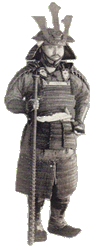
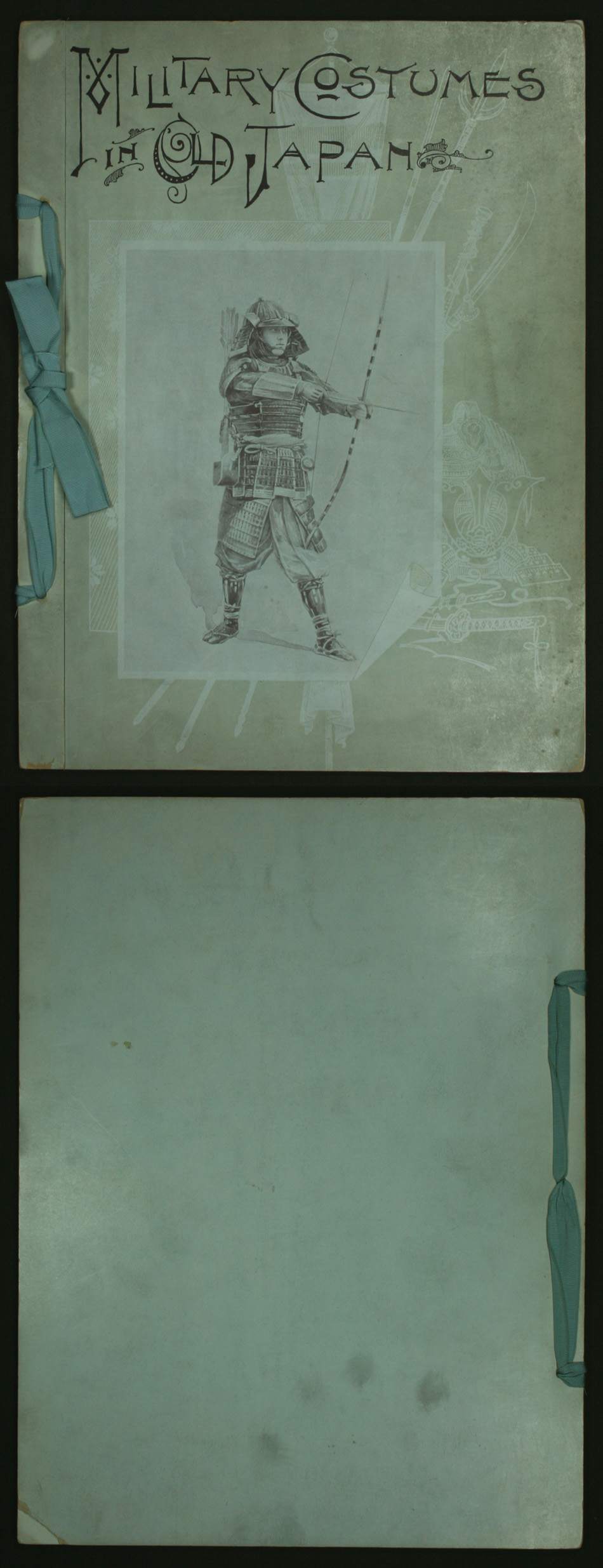
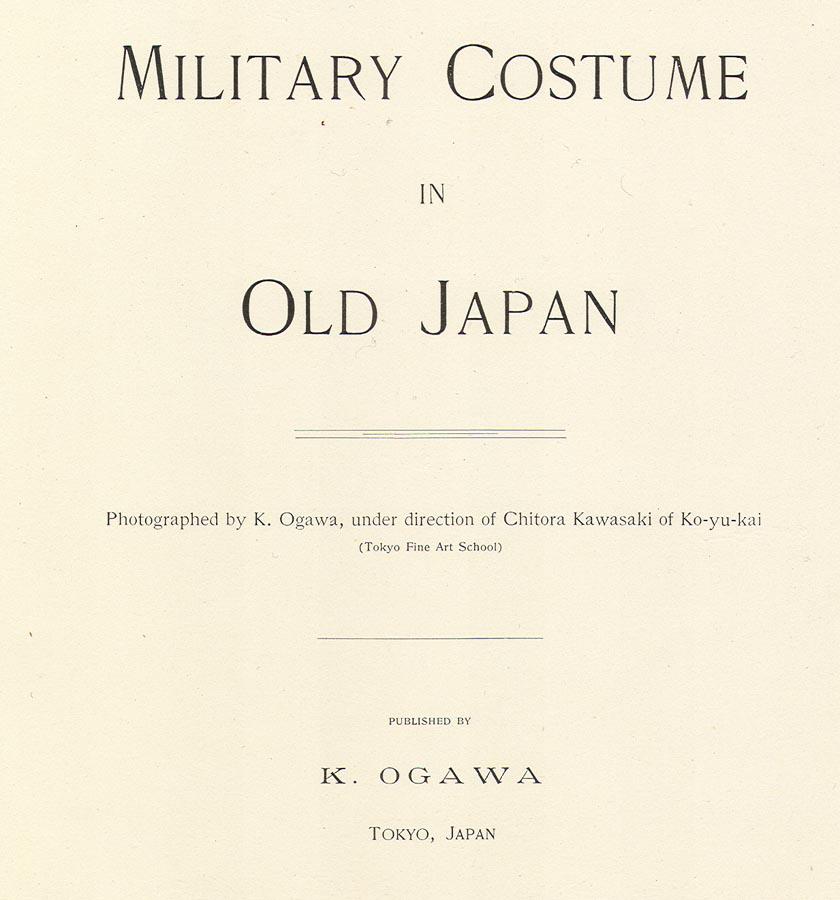
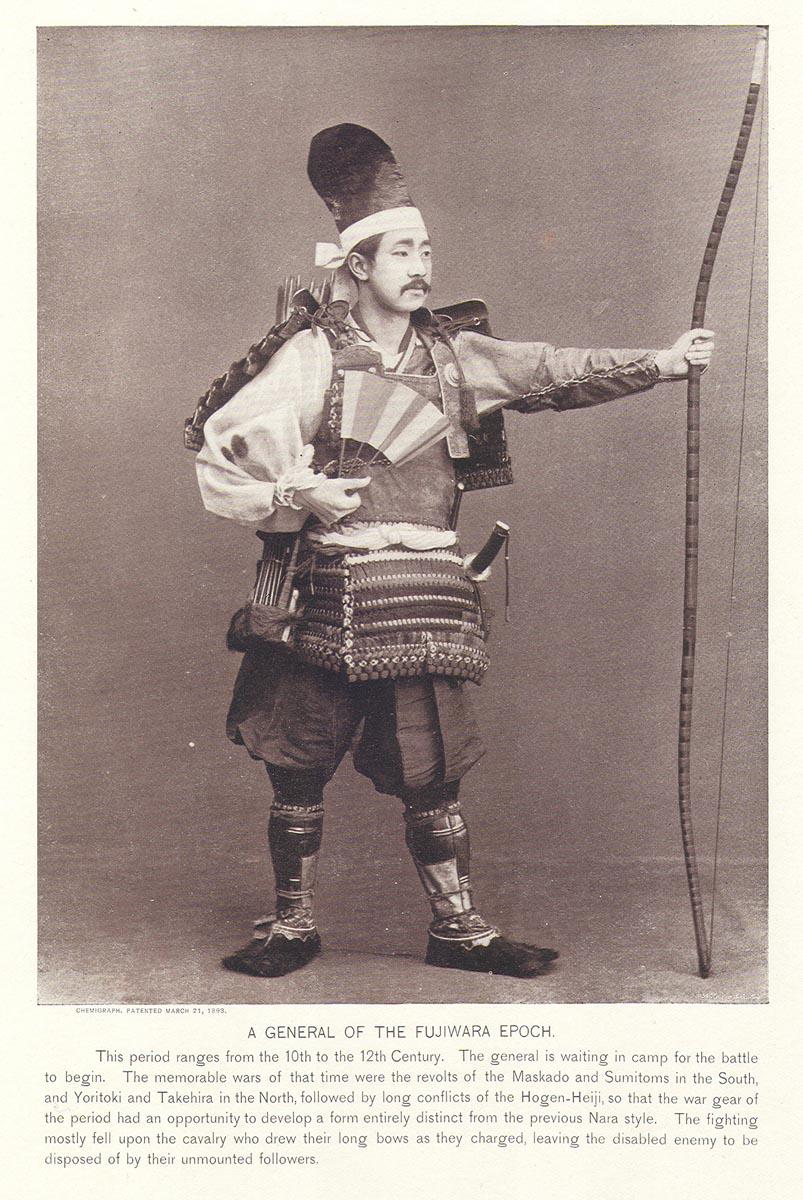
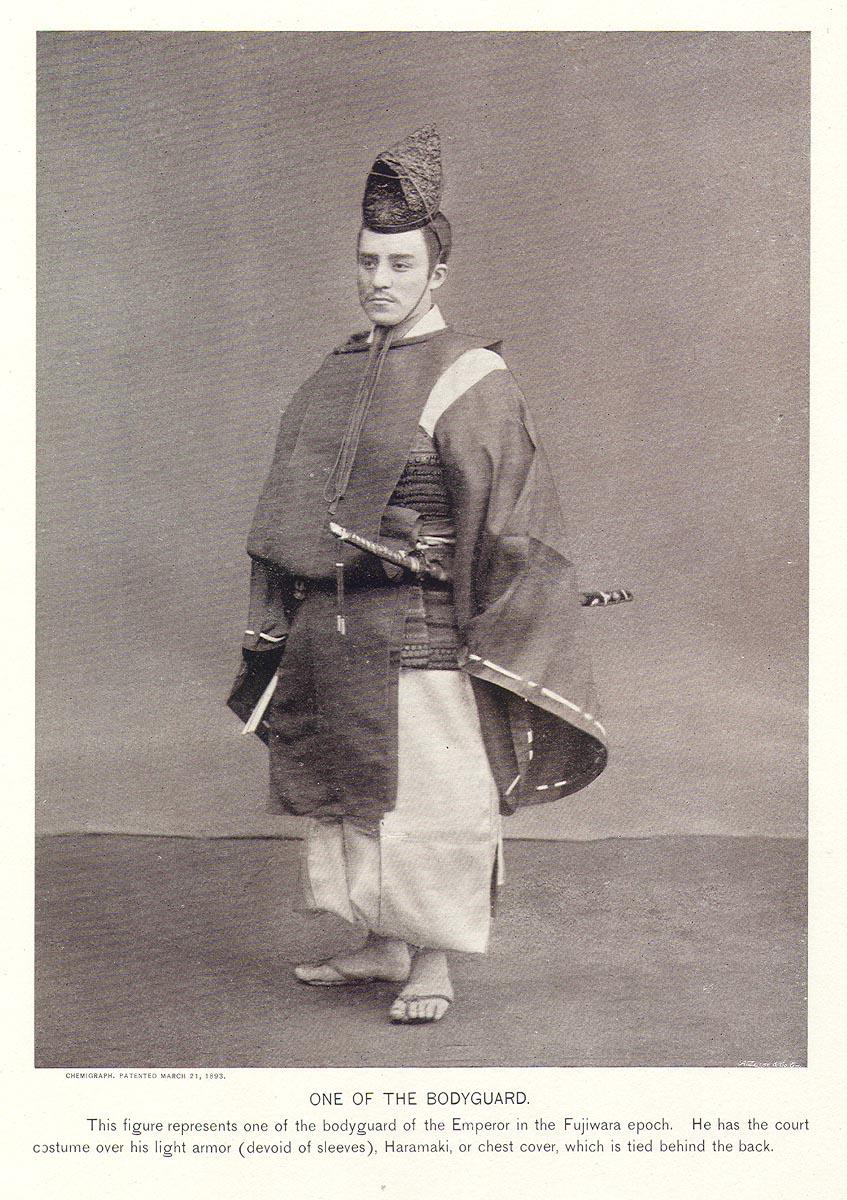
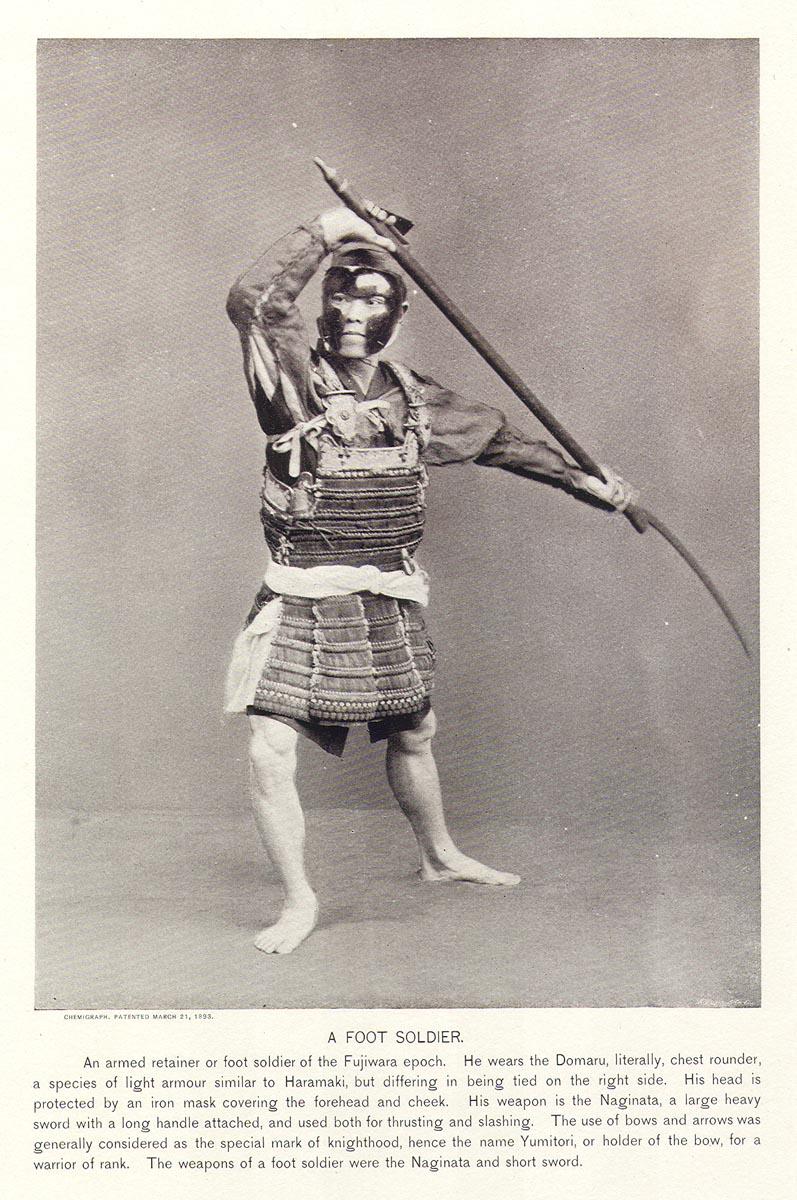
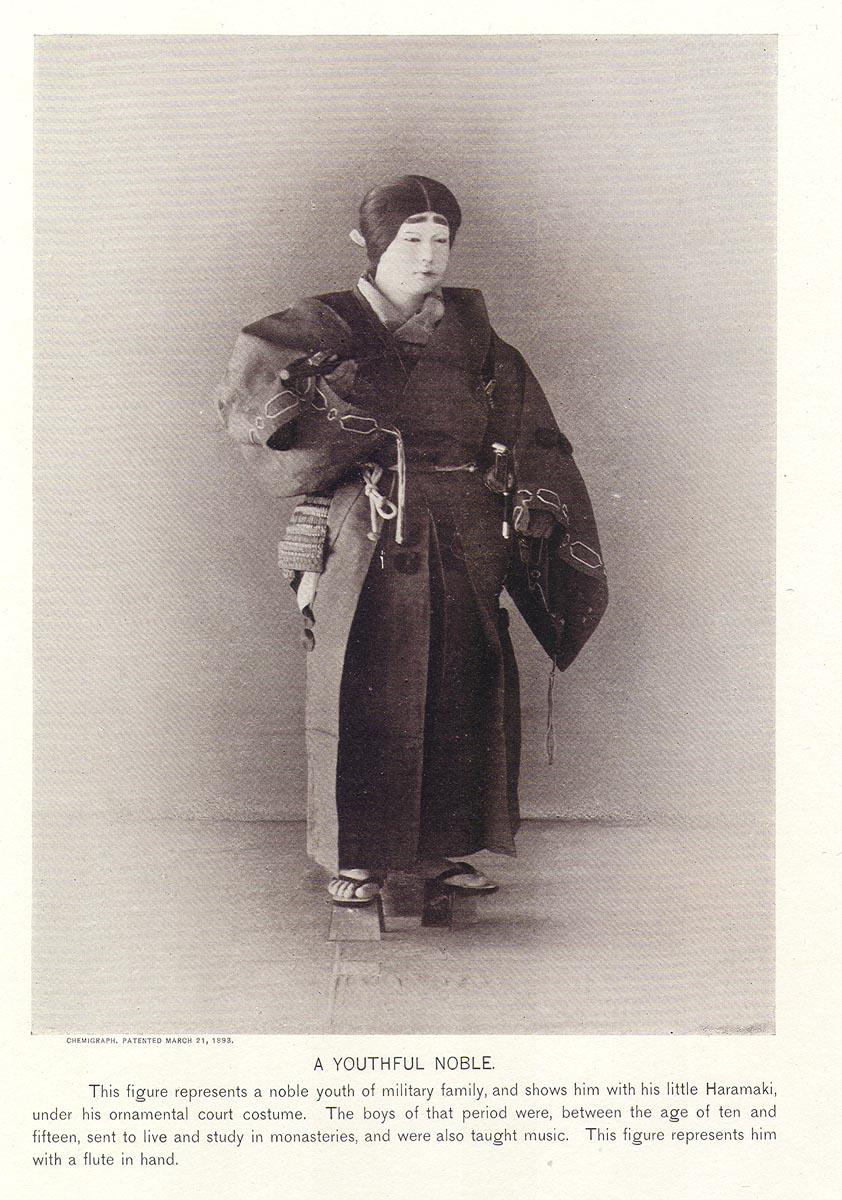
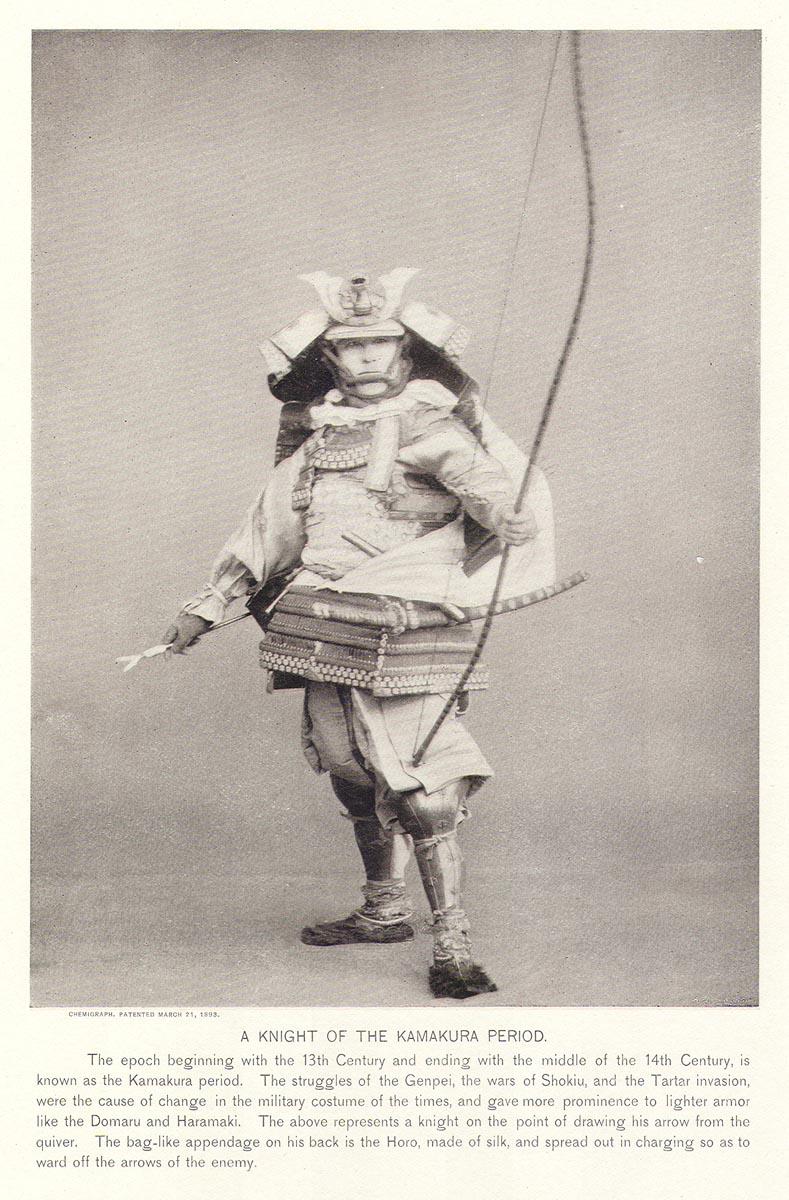
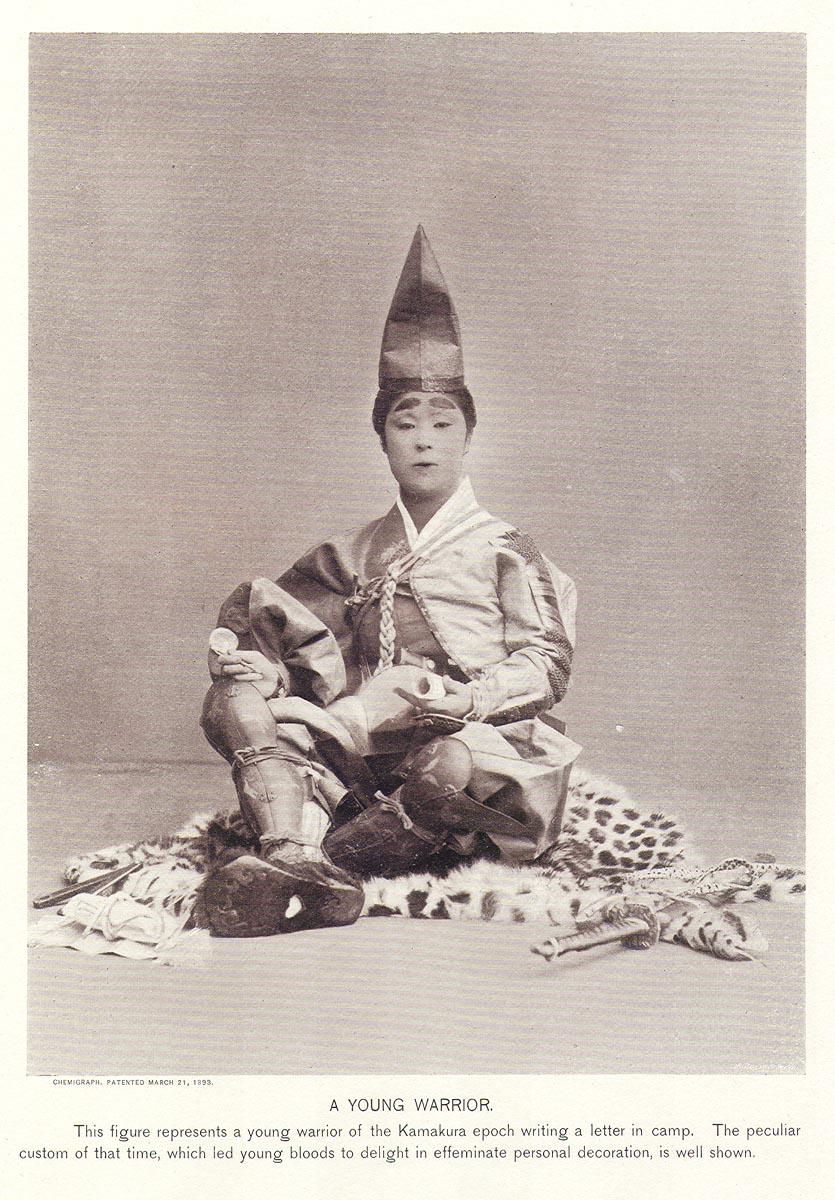
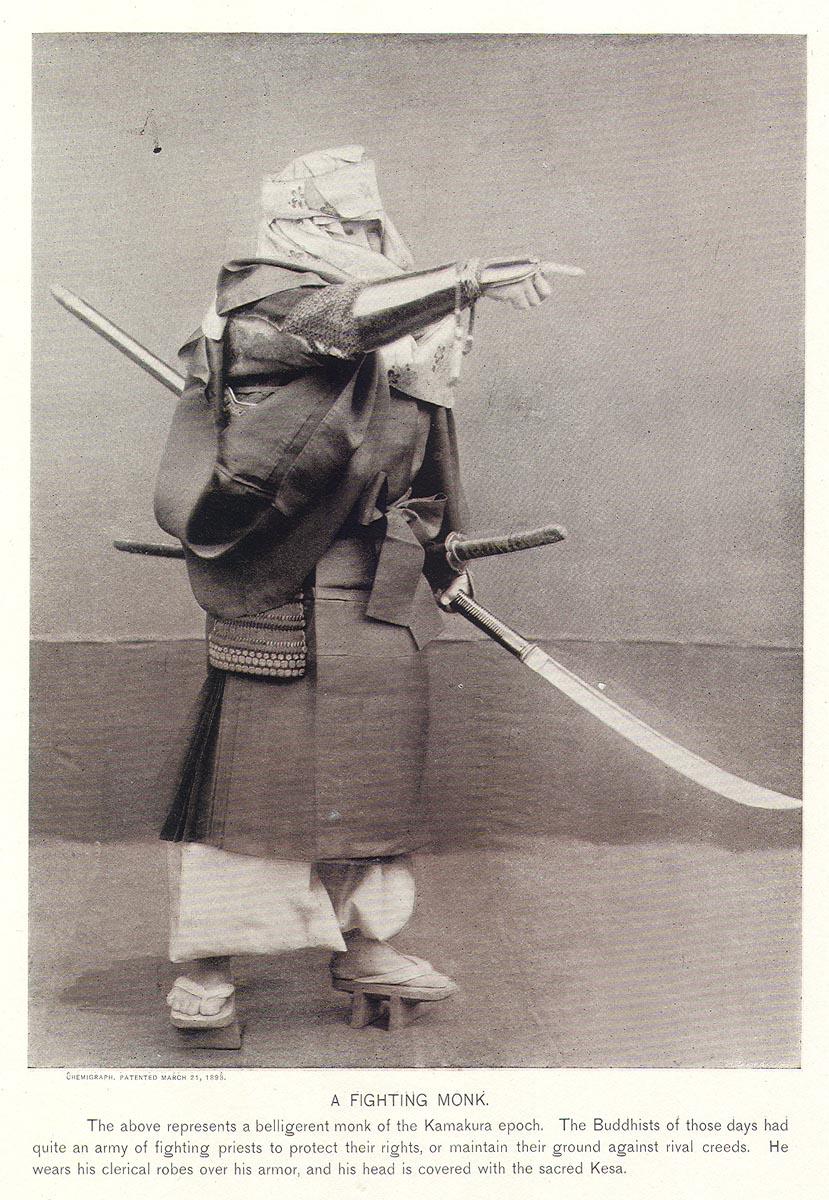
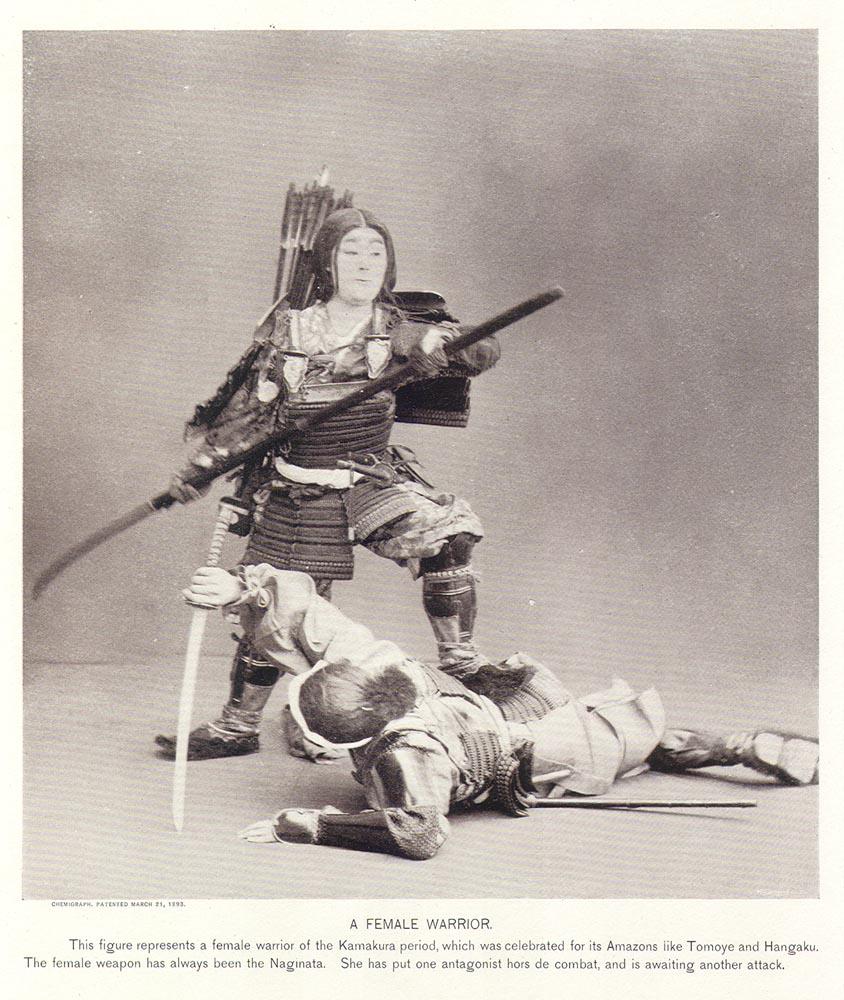
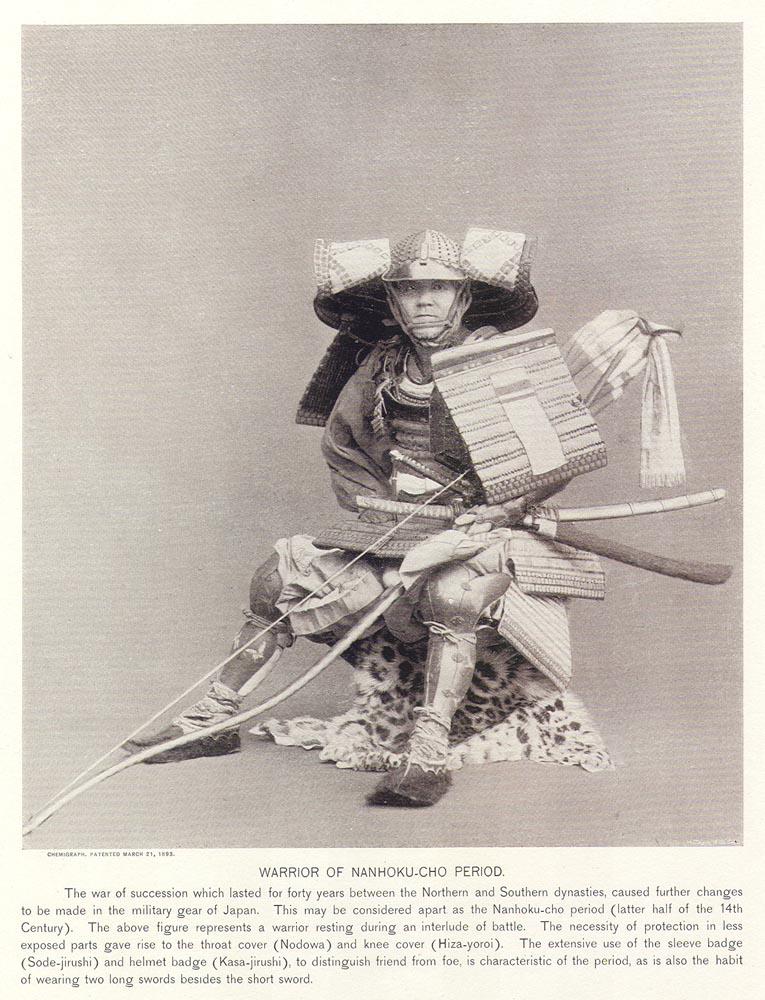
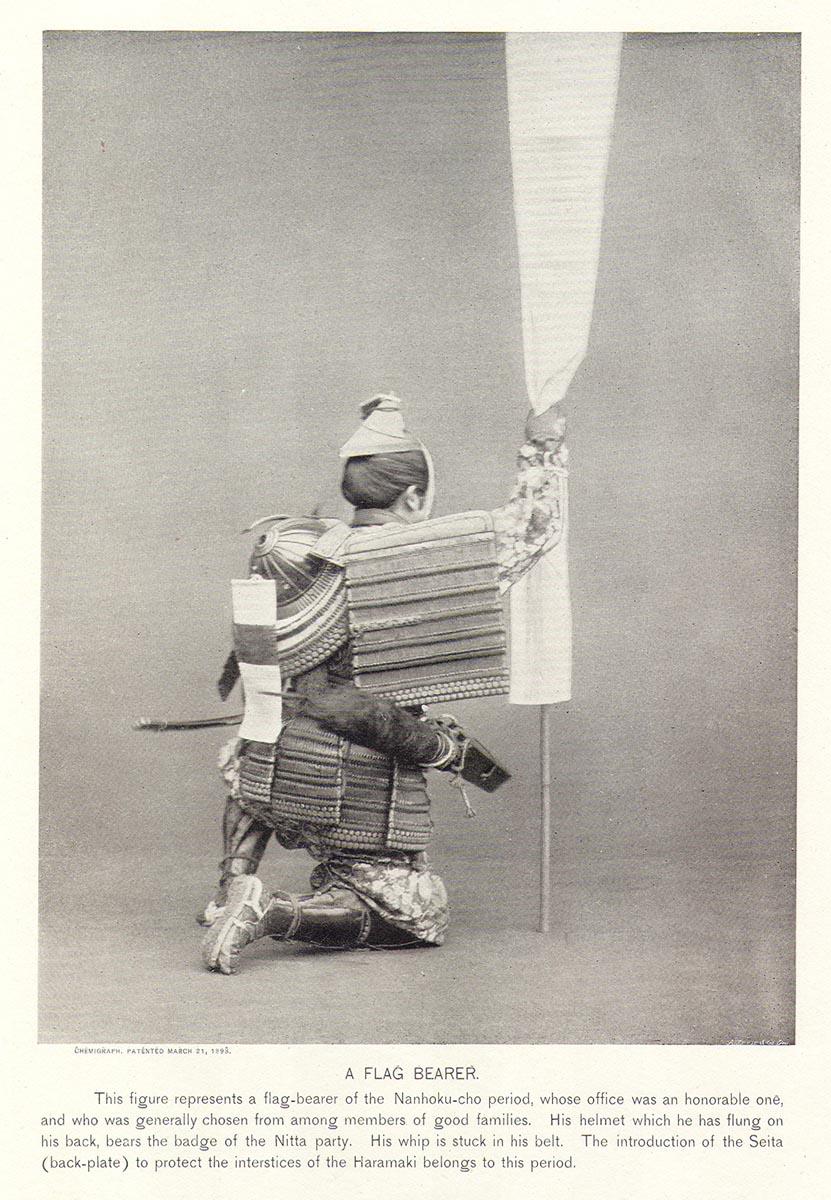
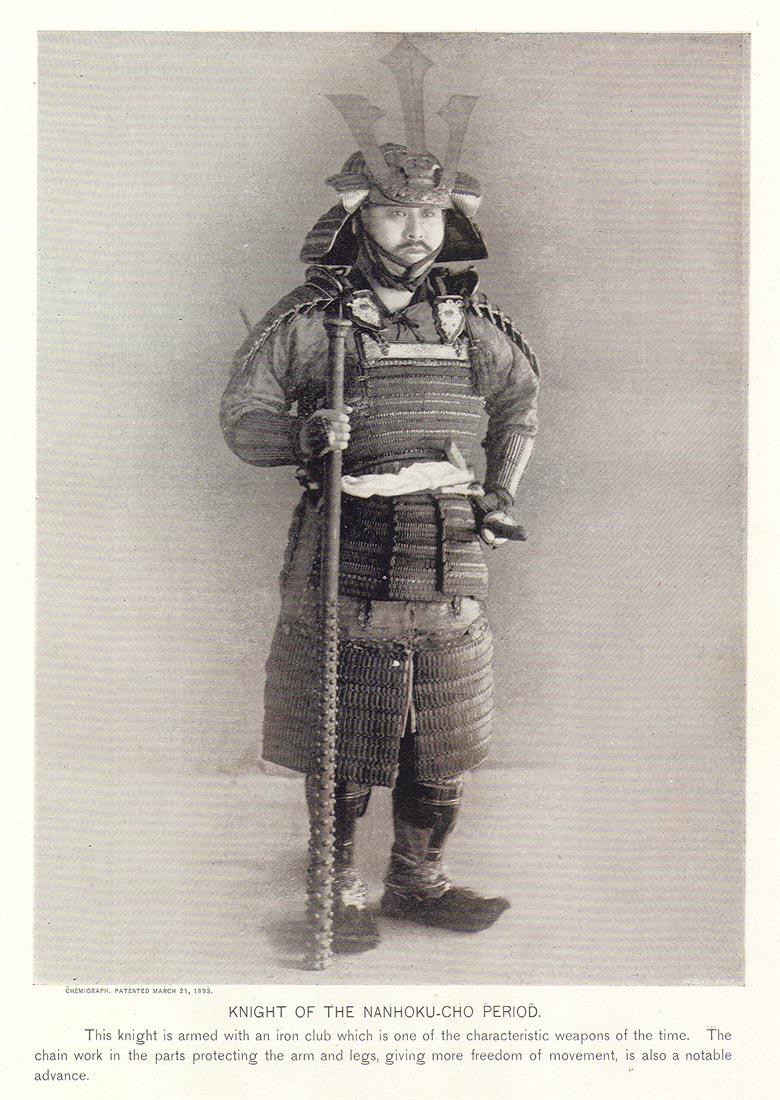
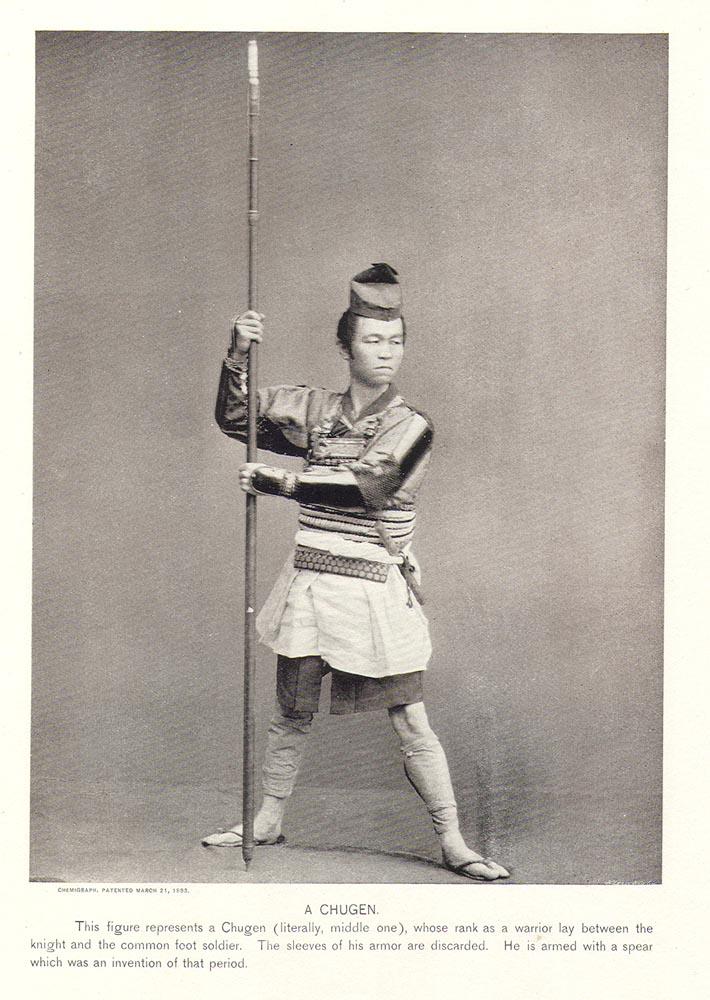
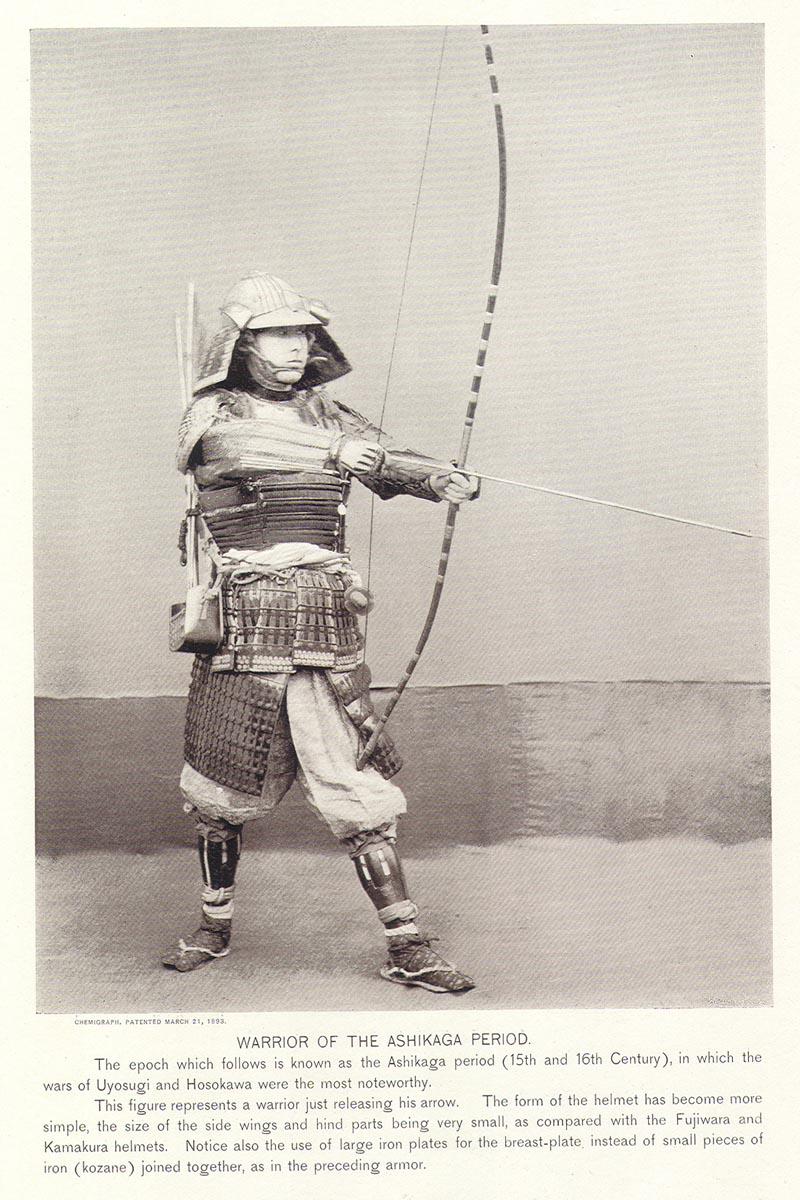
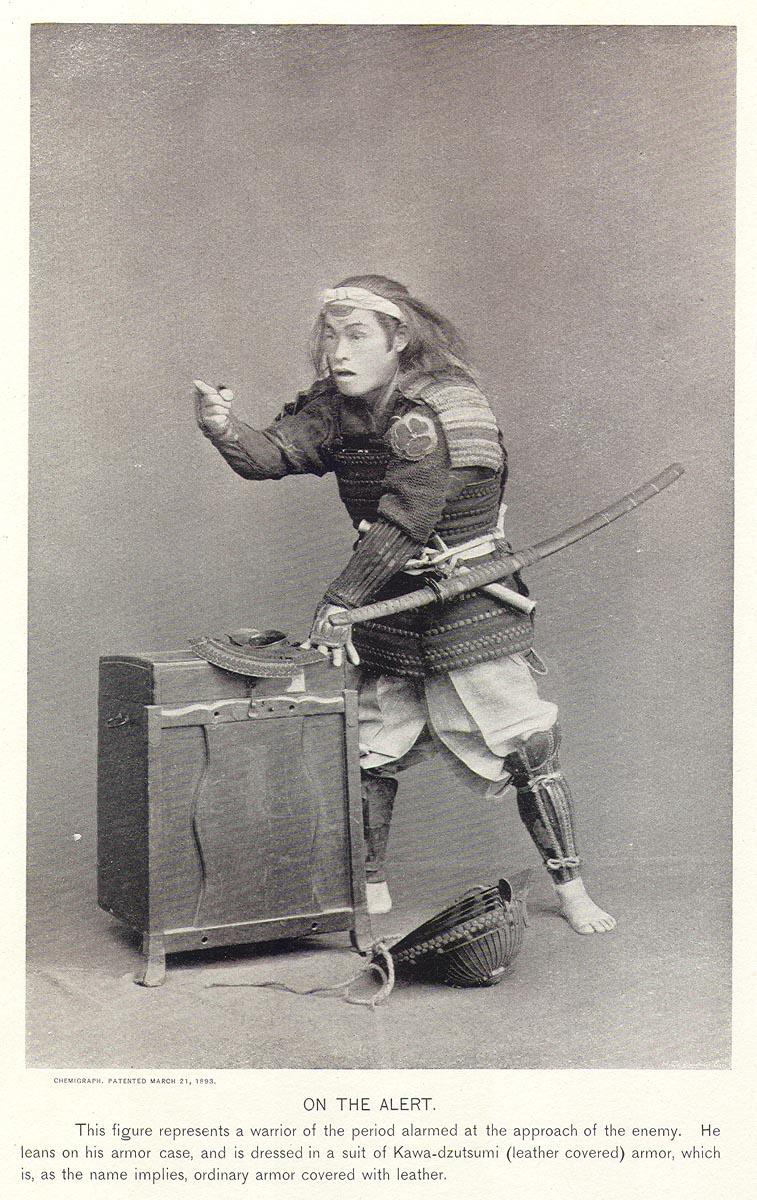
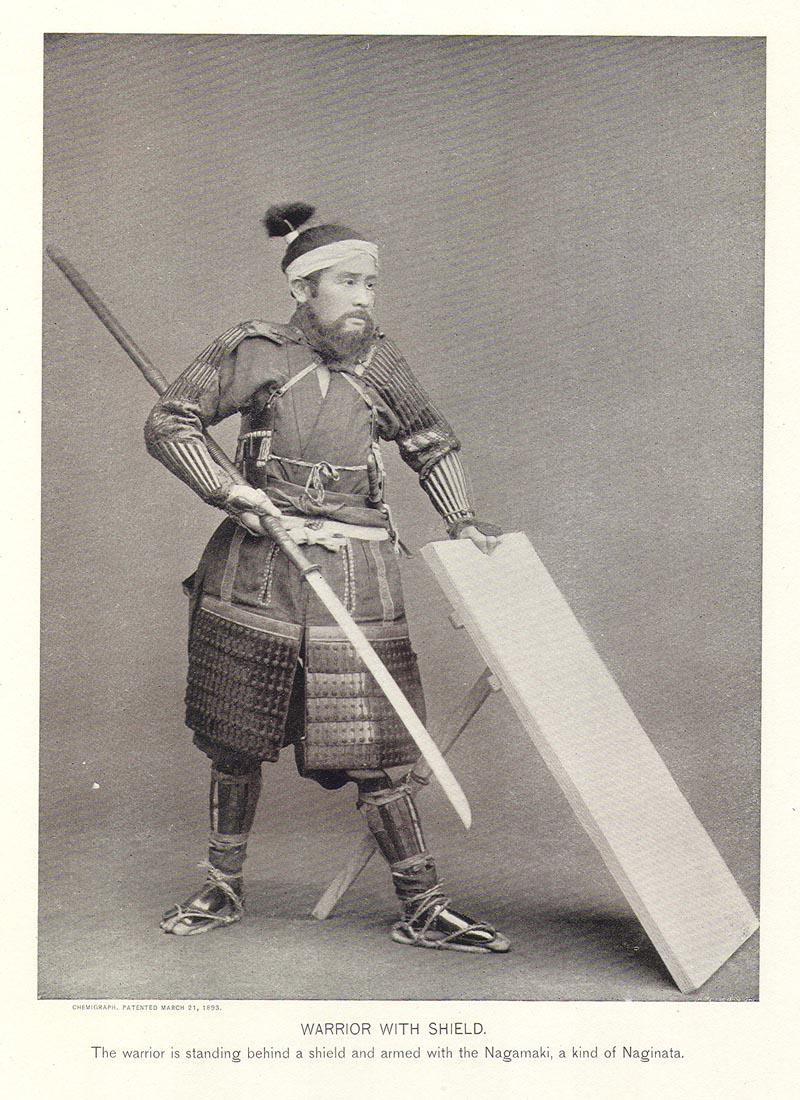
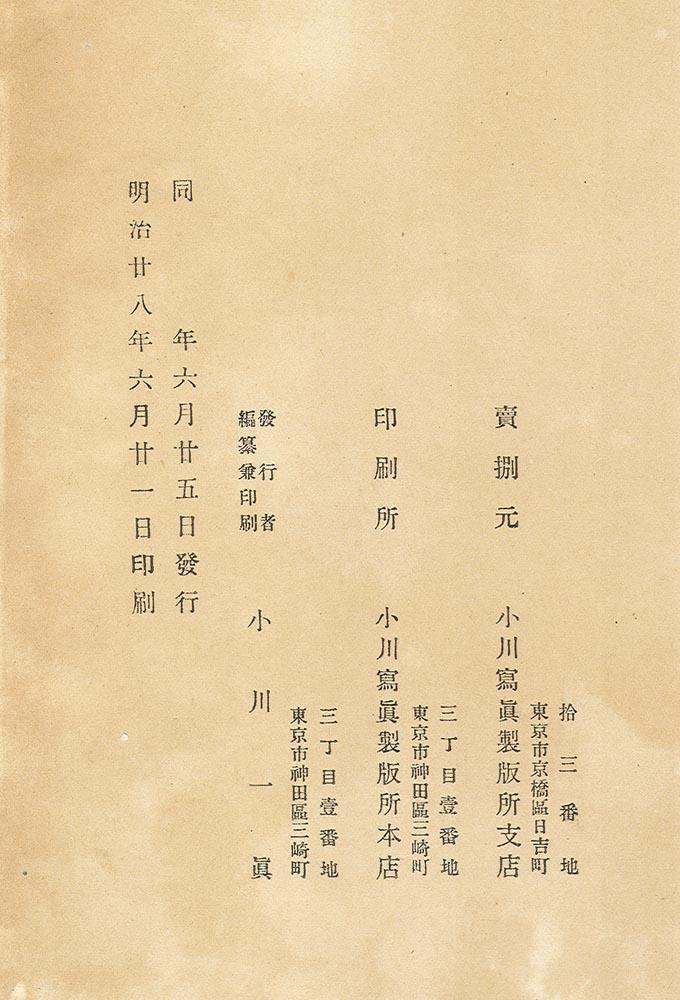
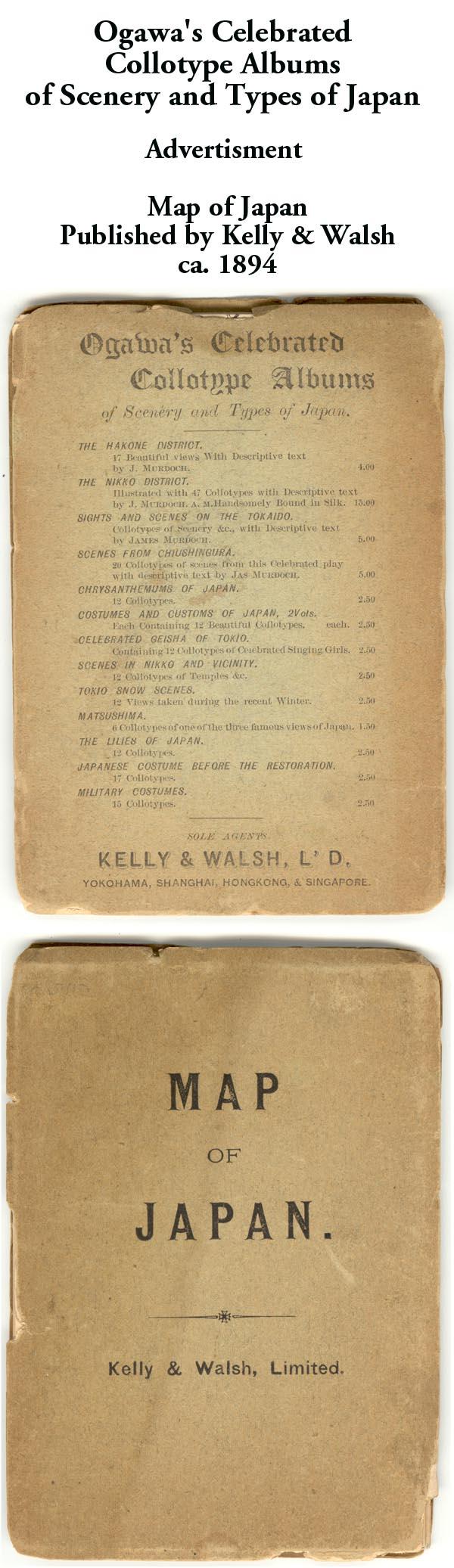
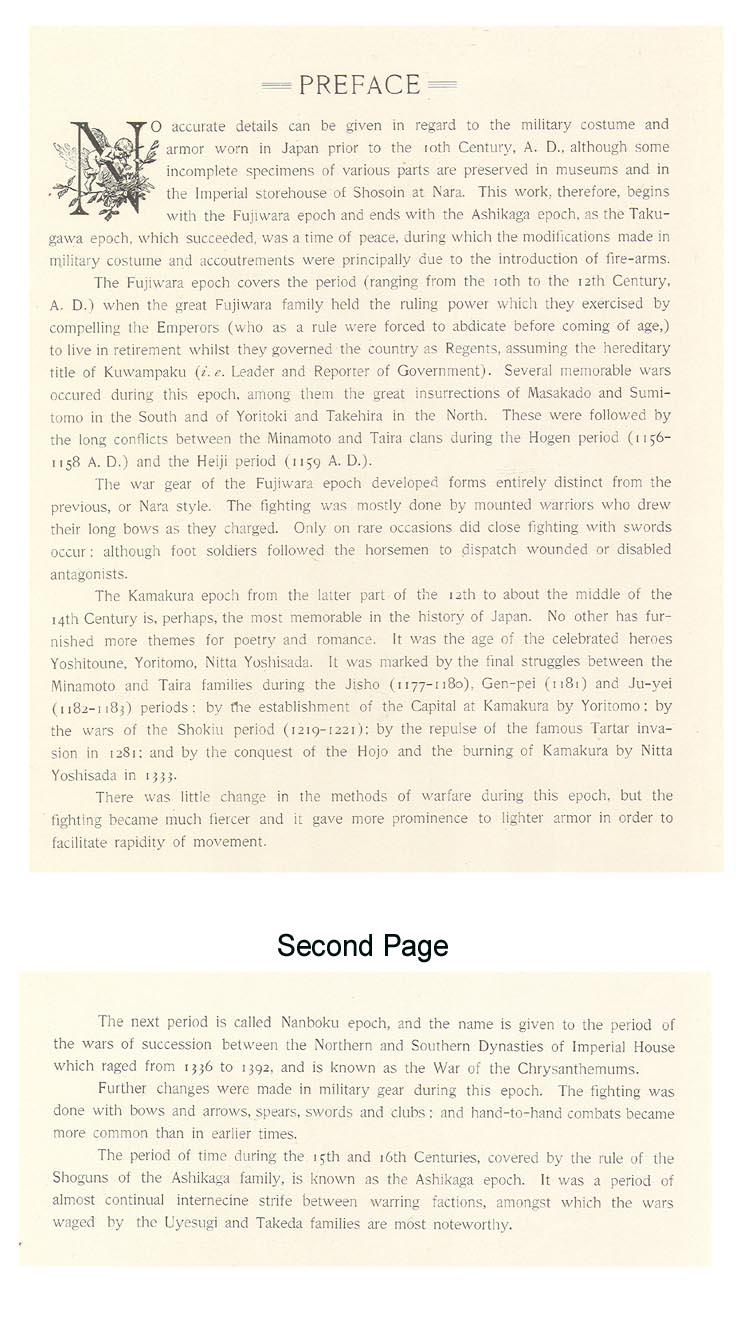
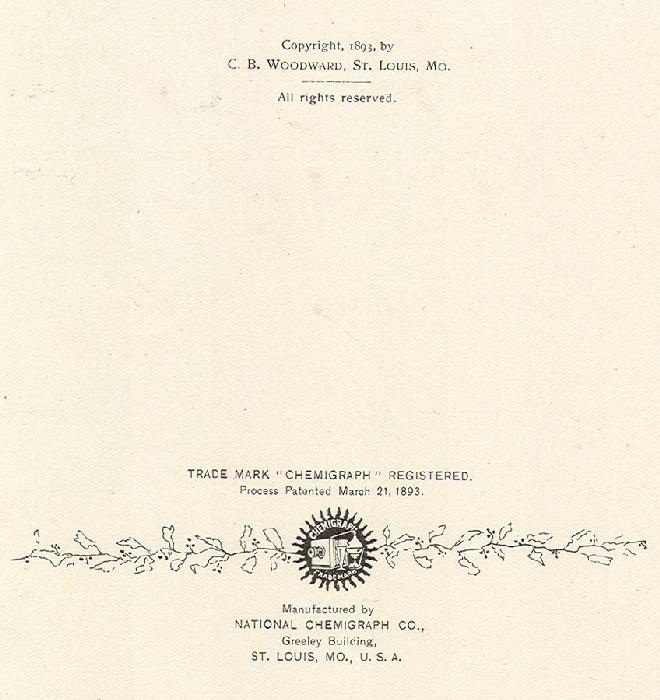
Ogawa, K. (Kazumasa) Military Costumes in Old Japan, Photographed by K. Ogawa, Under the Direction of Chitora Kawasaki of Ko-yu-kai (Tokyo Fine Art School), Tokyo, K. Ogawa, 1895 (Meiji 28), large 4to (10 1/2 x 14 in - 26.5 x 35 cm), card covers with front cover illustrated, bound at three points, ©1893 by C. B. Woodward, St Louis, "manufactured" by National Chemigraph Co., St Louis, 2 page preface, 15 black and white halftone ("Chemigraph") plates. Each plate with a single image and descriptive title and a paragraph of information. The plates reproduce Kazumasa Ogawa photographs of military wear and equipment, actually being worn and carried, from the Fujiwara epoch (10th - 12th centuries) through the Ashikaga epoch (15th - 16th centuries). The very high quality halftone images are printed on glossy medium thickness paper. The image areas vary but generally are 6 x 8 inches. Date of Publication. Wenckstern lists the date of publication for this book as 1894. You often see it listed with the date of 1893, the stated copyright date. I have placed the date of publication as 1895 because I have personally examined a copy with a tipped in K. Ogawa colophon showing printing and distribution dates in June of Meiji 28 (1895). I believe the book, or the contents, was printed in St. Louis in 1893. They were probably then shipped to Japan where the Ogawa enterprises (K. Ogawa, Ogawa Shashin Seihanjo and Ogawa Shuppanbu) assembled them, added the Japanese language colophon slips and began marketing them in mid-1895. Covers. The front cover has a subdued pale green and white lithograph design featuring armor. Within a framed area is a halftone image of an armored samurai with bow and arrow drawn. The back cover has no illustration or text. The covers are thick card stock. The right side of the front cover is attached to a flexible cloth type strip which allows the front cover to be opened without bending the actual cover. Covering the cloth strip is a card stock strip matching the rest of the cover. This strip is often missing. Bindings. This book was bound with decorative ribbon ties. However, it seldom found with the ties in place. Quite often the book is offered with brads in the holes, recent cloth or string ties or in a rebound state in hardcovers. Here are my observations regarding the way in which the book was originally bound.
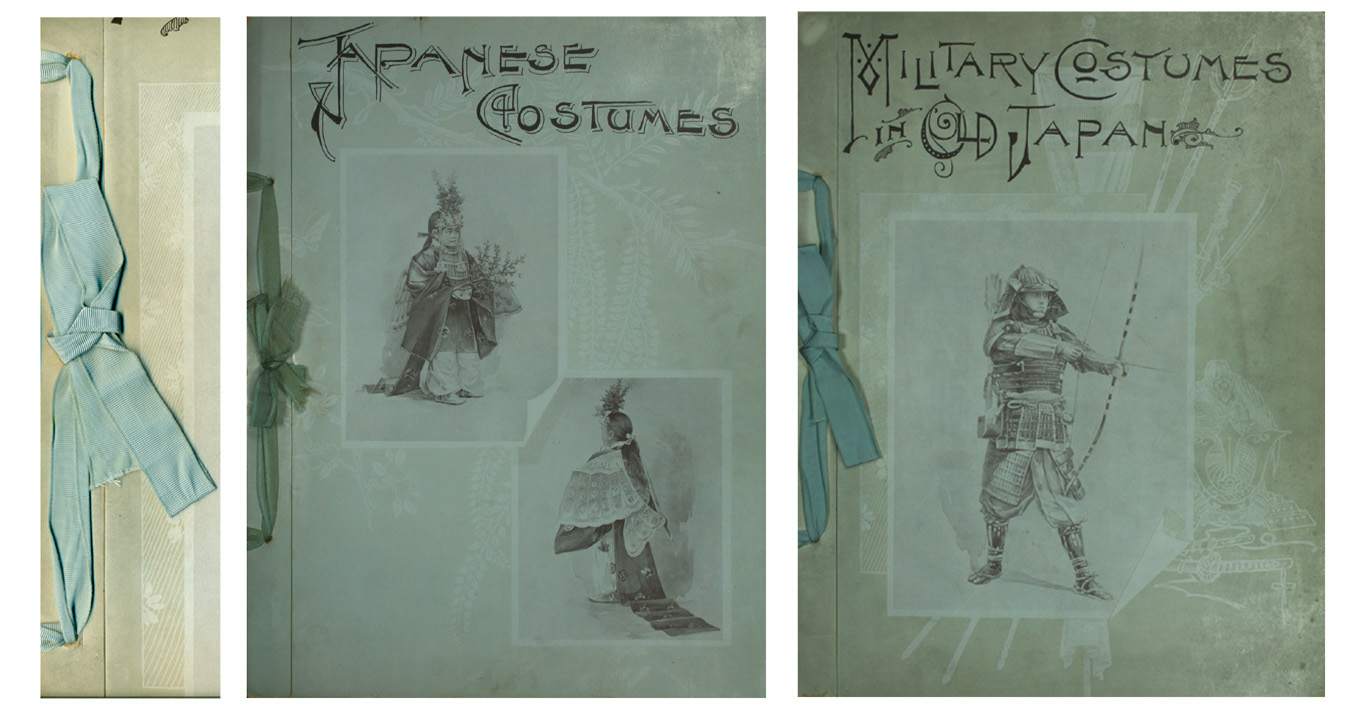
"Chemigraph" Illustrations. The illustrations in the book are reproduced by a process which was trademarked as "Chemigraph." They are high quality halftone prints. When viewed under x10 magnification you see a very distinct screen pattern in dark areas of the image. As the image turns lighter, the screen pattern is not visible and the image is created a by pattern of black and gray dots. This process creates an image with a greater range of tones than one normally associates with halftone images. I have seen these plates described as collotypes. To the unaided eye the quality and range of tones does appear very close to that of a collotype print. However, under magnification, it is clear that a halftone process has been used. A close-up of the pattern is shown below. Ogawa in the United States in 1893. Kazumasa Ogawa attended the World's Columbian Exposition in Chicago in 1893. He was constantly seeking the state of the art in printing to incorporate into his business in Japan. It appears that during this visit to the United States he arranged for the C. B. Woodward to produce this book and the companion book. I do not believe he adopted the "chemigraph" halftone process for use in Japan. I find no reference to it in his publications. Further, I have not seen similar halftone reproductions in his books. He did employ a very fine halftone process as early as 1892. This was the meisenbach process and probably superior to the "chemigraph" process in the final output. Companion Book. At the same time as this book, Ogawa produced another book using the Woodward and National companies. That book was titled Japanese Costumes Before the Restoration, Photographed by K. Ogawa, Under Direction of Ko-yu-kai (Tokyo Fine Art School). It is often found consolidated with this book in a single binding. K. Ogawa Not the Printer. This is one of three books where K. Ogawa was the publisher but not the printer, a very uncommon practice. The books are listed below. In 1893 Ogawa attended the World's Columbian Exposition in Chicago where a Congress of Photographers was held. All three of these books apparently were a spin-off from his trip to the United States.
For information on Kazumasa Ogawa and his books, click here.
|
|
Titles are those Printed with the Plate
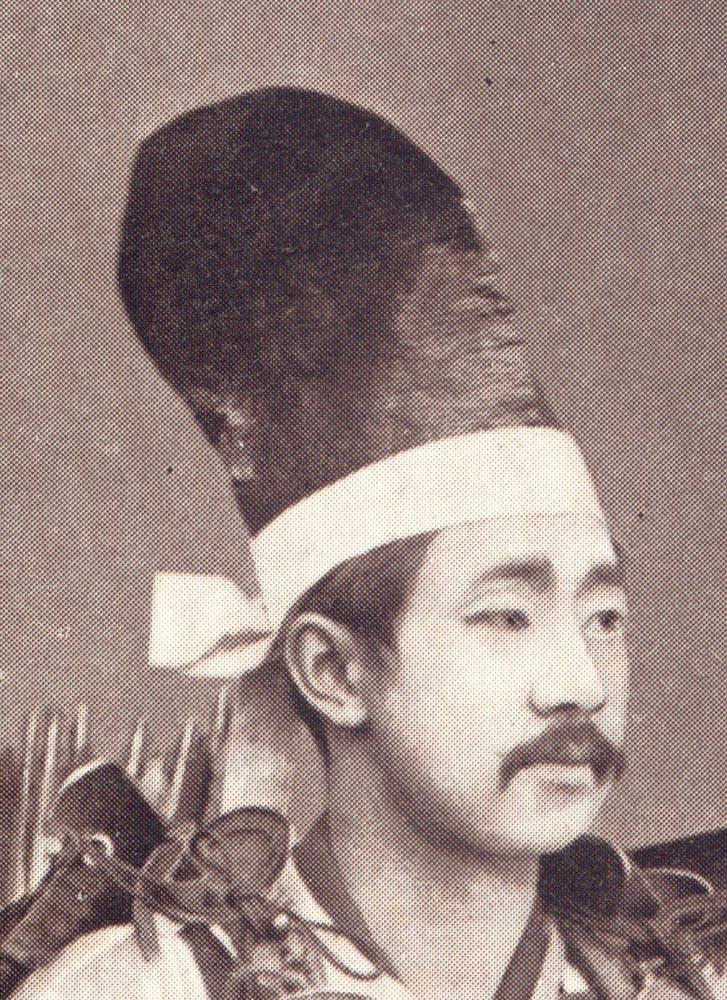
A General of the Fujiwara Epoch |